Sold out

Independently Published
African Spurred Tortoise: A Guide To African Spurred Tortoise Caring, Training, Habitat, Health, Diet, Grooming And Breeding Of Your Tortoise
Product Code:
9798301981012
ISBN13:
9798301981012
Condition:
New
$14.92
African Spurred Tortoise: A Guide To African Spurred Tortoise Caring, Training, Habitat, Health, Diet, Grooming And Breeding Of Your Tortoise
$14.92
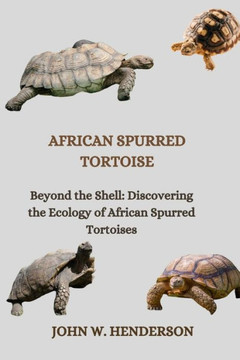
The African spurred tortoise (Centrochelys sulcata), also known as the Sulcata tortoise, is the third-largest tortoise species in the world and the largest native to mainland Africa. These fascinating reptiles are named for the prominent spurs on their thighs, which are unique to the species. They belong to the family Testudinidae and are characterized by their rugged, dome-shaped shells and powerful, elephantine legs that help them navigate their arid natural habitats.
Adult Sulcata tortoises can grow up to 24-36 inches in length and weigh between 70-100 pounds, with some individuals reaching over 150 pounds. Their shells are typically golden brown or yellowish, with darker rings around the scutes (the individual plates making up their shells). The legs and head are often light tan or yellow, which helps them blend into their desert surroundings.
One of the most remarkable features of this species is its longevity. African spurred tortoises can live for 50-100 years in captivity when provided proper care, making them a lifelong commitment for their keepers. Despite their imposing size, Sulcata tortoises are herbivores with gentle temperaments, which makes them a popular choice among reptile enthusiasts.
Natural Habitat and Behavior
The African spurred tortoise is native to the southern edge of the Sahara Desert, a region known as the Sahel. This vast area spans across countries like Senegal, Mauritania, Mali, Chad, and Sudan. Their habitat is characterized by extreme temperatures, scarce rainfall, and sparse vegetation, requiring these tortoises to adapt to harsh, arid conditions.
Behavioral Adaptations:
Burrowing:
Sulcata tortoises are prolific diggers, and burrowing is their primary survival strategy in the wild. They excavate extensive underground tunnels to escape the intense heat of the day and retain moisture in their bodies. These burrows can extend several feet deep, creating a cooler, more stable microclimate where the tortoise can regulate its body temperature. Diet and Foraging:
As herbivores, African spurred tortoises primarily consume grasses, weeds, and other dry vegetation. They have evolved to thrive on low-nutrient, high-fiber diets, which mimic the vegetation available in their natural habitats. Their ability to efficiently process tough, fibrous plants allows them to survive where food sources are scarce. Water Conservation:
Due to the limited availability of water in the Sahel, Sulcata tortoises have adapted to conserve water effectively. They are capable of storing water in their bladders and can go for long periods without drinking. When rain does occur, they take full advantage, drinking large amounts and absorbing water through their skin while soaking in puddles. Activity Patterns:
Sulcata tortoises are primarily crepuscular, meaning they are most active during the cooler parts of the day-early morning and late afternoon. During the hottest periods, they retreat to their burrows or shaded areas to avoid overheating. Social Behavior:
While generally solitary in the wild, Sulcata tortoises may encounter each other during the breeding season or while foraging. Males can be territorial and may exhibit dominance behaviors such as ramming or vocalizing. However, these interactions are usually brief. Understanding the African spurred tortoise's natural habitat and behavior is crucial for replicating a suitable environment in captivity, ensuring their health and well-being. By providing appropriate care and mimicking their natural conditions, pet owners can help these tortoises thrive for decades.
Adult Sulcata tortoises can grow up to 24-36 inches in length and weigh between 70-100 pounds, with some individuals reaching over 150 pounds. Their shells are typically golden brown or yellowish, with darker rings around the scutes (the individual plates making up their shells). The legs and head are often light tan or yellow, which helps them blend into their desert surroundings.
One of the most remarkable features of this species is its longevity. African spurred tortoises can live for 50-100 years in captivity when provided proper care, making them a lifelong commitment for their keepers. Despite their imposing size, Sulcata tortoises are herbivores with gentle temperaments, which makes them a popular choice among reptile enthusiasts.
Natural Habitat and Behavior
The African spurred tortoise is native to the southern edge of the Sahara Desert, a region known as the Sahel. This vast area spans across countries like Senegal, Mauritania, Mali, Chad, and Sudan. Their habitat is characterized by extreme temperatures, scarce rainfall, and sparse vegetation, requiring these tortoises to adapt to harsh, arid conditions.
Behavioral Adaptations:
Burrowing:
Sulcata tortoises are prolific diggers, and burrowing is their primary survival strategy in the wild. They excavate extensive underground tunnels to escape the intense heat of the day and retain moisture in their bodies. These burrows can extend several feet deep, creating a cooler, more stable microclimate where the tortoise can regulate its body temperature. Diet and Foraging:
As herbivores, African spurred tortoises primarily consume grasses, weeds, and other dry vegetation. They have evolved to thrive on low-nutrient, high-fiber diets, which mimic the vegetation available in their natural habitats. Their ability to efficiently process tough, fibrous plants allows them to survive where food sources are scarce. Water Conservation:
Due to the limited availability of water in the Sahel, Sulcata tortoises have adapted to conserve water effectively. They are capable of storing water in their bladders and can go for long periods without drinking. When rain does occur, they take full advantage, drinking large amounts and absorbing water through their skin while soaking in puddles. Activity Patterns:
Sulcata tortoises are primarily crepuscular, meaning they are most active during the cooler parts of the day-early morning and late afternoon. During the hottest periods, they retreat to their burrows or shaded areas to avoid overheating. Social Behavior:
While generally solitary in the wild, Sulcata tortoises may encounter each other during the breeding season or while foraging. Males can be territorial and may exhibit dominance behaviors such as ramming or vocalizing. However, these interactions are usually brief. Understanding the African spurred tortoise's natural habitat and behavior is crucial for replicating a suitable environment in captivity, ensuring their health and well-being. By providing appropriate care and mimicking their natural conditions, pet owners can help these tortoises thrive for decades.
| Author: Pet Leonard |
| Publisher: Independently Published |
| Publication Date: Dec 01, 2024 |
| Number of Pages: 196 pages |
| Binding: Paperback or Softback |
| ISBN-10: NA |
| ISBN-13: 9798301981012 |