Off-grid living is an increasingly popular lifestyle choice that revolves around self-reliance and independence from centralized systems, including utilities like electricity, water, and natural gas. At its core, it's a commitment to creating a sustainable and resilient lifestyle where one meets their own energy, water, and food needs without reliance on public or private utility services. This could mean anything from harnessing solar, wind, or hydro power for electricity to collecting and purifying rainwater for drinking and growing food through permaculture or other sustainable agricultural practices.
One of the most compelling reasons for choosing off-grid living is the pursuit of self-sufficiency. Being able to generate your own electricity, collect and purify your own water, and grow your own food reduces dependency on external systems. This independence empowers individuals and families to have more control over their lives and resources, ensuring that they are less vulnerable to disruptions like power outages, economic downturns, or supply chain failures. Self-sufficiency also fosters a sense of accomplishment, as it requires developing a variety of practical skills, from basic construction and farming to maintaining power systems and preserving food.
Off-grid living often goes hand-in-hand with sustainability. By minimizing reliance on fossil fuels and adopting renewable energy sources like solar, wind, or hydro power, off-gridders can significantly reduce their carbon footprint. Growing food organically and utilizing permaculture techniques helps regenerate soil health and maintain local biodiversity, making off-grid homesteads more environmentally friendly than conventional urban or suburban lifestyles. Additionally, managing waste on-site, through composting and greywater systems, ensures that water usage is minimized and nutrient cycles are maintained, contributing to a sustainable lifestyle that reduces pollution and waste.
Transitioning to an off-grid lifestyle requires careful planning. It's not just about installing solar panels or digging a well; it's about understanding the environment you live in, assessing your needs, and setting realistic goals. For beginners, this planning phase is crucial to avoid the common pitfalls and challenges that can arise when leaving the convenience of modern infrastructure behind.
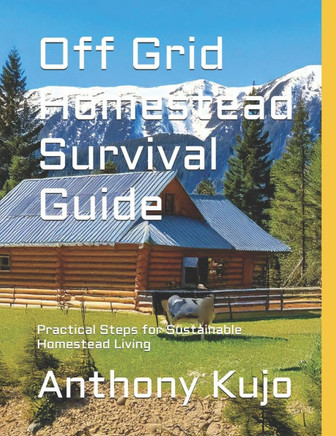
| Author: Anthony Kujo |
| Publisher: Independently Published |
| Publication Date: Oct 15, 2024 |
| Number of Pages: 188 pages |
| Binding: Paperback or Softback |
| ISBN-10: NA |
| ISBN-13: 9798343086515 |